Browser/0.1
Workspace
It would give every employee an approved AI from day one, with the models the bank chooses.


It restricted ChatGPT, built its own AI for 200,000 employees and asked its vendors for evidence. How SecureAI would apply.
JPMorgan Chase is not a Hiper AI customer. This case study uses public information only.
The operation
FirstFirstititrestrictedrestrictedAI.AI.ThenThenititbuiltbuiltitsitsown.own.ThenThenititaskedaskedforforproofproofthatthatititwaswasunderundercontrol.control.
JPMorgan Chase has more than 318,000 employees and serves over 86 million consumers in its US retail bank alone.
It went down the path every regulated company is on today: first stop consumer AI, then provide an approved AI, and finally require every vendor and every agent to prove its controls work.

Three public decisions, 2023 to 2025
In February 2023 JPMorgan restricted employees’ use of ChatGPT, according to Bloomberg and CNN; the bank gave no official reason. In 2024 it launched LLM Suite, its own generative AI platform, and rolled it out to 200,000 employees in eight months. In April 2025 its CISO, Patrick Opet, published an open letter to suppliers: he warned about uncontrolled OAuth connections into internal systems, cited an AI-driven calendar service as an example and asked for continuous evidence that controls work.



Step by step
What happens
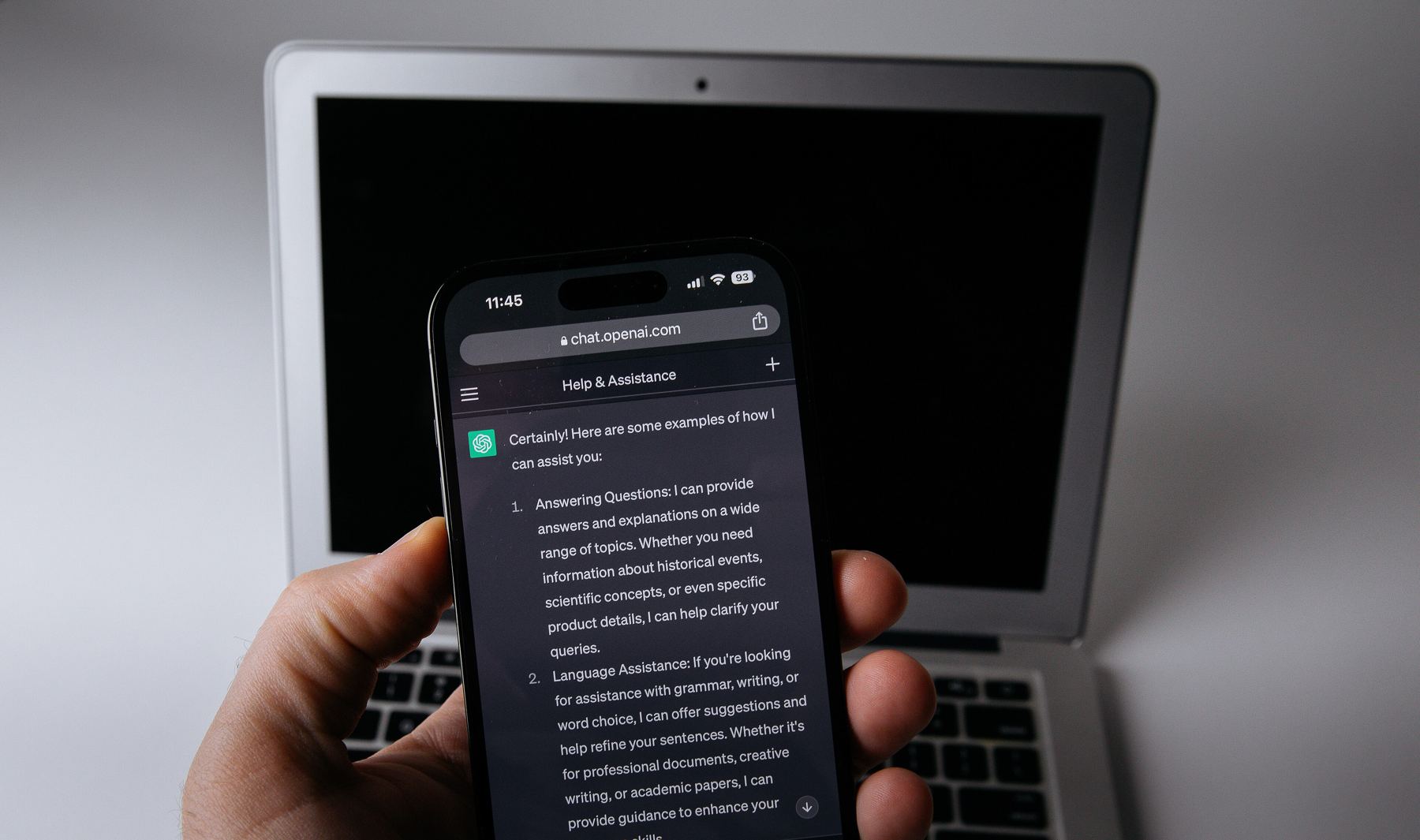
The bank restricts ChatGPT for its employees.
 SecureAIWhat SecureAI would do
Instead of blocking and losing sight of usage, it redirects to the approved space and shows who tried to use which AI.
Where AI lives
Today: every door on its own, with no common control.
With SecureAI, all four fall under the same policy.
SecureAIWhere the risk comes in
A restriction stops AI on the bank’s network, but employees keep using it from their phones and the bank loses sight of it.
JPMorgan has thousands of people working on AI. Most banks cannot build and maintain their own platform.
Every AI assistant that connects via OAuth to email, calendar or CRM is a direct path into internal systems.
The three decisions, with SecureAI
The bank blocks ChatGPT on its network. Employees keep using it from their phones, and the bank loses sight of it.
Workspace gives every employee the models the bank chooses. Accounts and cards travel tokenized: the model never sees the real value.
The CISO’s letter warns about AI assistants connected to mail, calendar and CRM. SecureAI inventories them, assigns owners and cuts the ones that are not needed.
Every decision leaves a signed receipt. The auditor verifies it without entering the console.
Illustrative simulation with fictitious data
How SecureAI would apply
It would give every employee an approved AI from day one, with the models the bank chooses.
It would replace accounts, cards and documents with reversible tokens under the bank’s own keys (BYOK).
It would apply different rules to retail, markets and legal from a single console.
Every decision leaves verifiable evidence for internal audit and the regulator.
How it would roll out
From restricting ChatGPT (Feb 2023) to asking its vendors for continuous evidence (Apr 2025), with an in-house platform in between.
Approved AI, tokenized data, policies by group and signed receipts, rollout included.
Dedicated instance, sign-in with the company’s identity provider, and the Extension and the SecureAI Agent installed through device management.
What the CISO measures Devices with the Extension or the Agent installed, out of the total.
The Extension and the SecureAI Agent to see which AI is used beyond the approved platform.
What the CISO measures AI use outside the approved space, by area.
Workspace and Token Vault with the bank’s own keys, and policies by group.
What the CISO measures Accounts and cards stopped or tokenized before they leave.
An inventory of agents and OAuth connectors, and signed receipts for audit and the regulator.
What the CISO measures Decisions with a verifiable receipt, out of the total.
More case studies